
Obesity and Depression
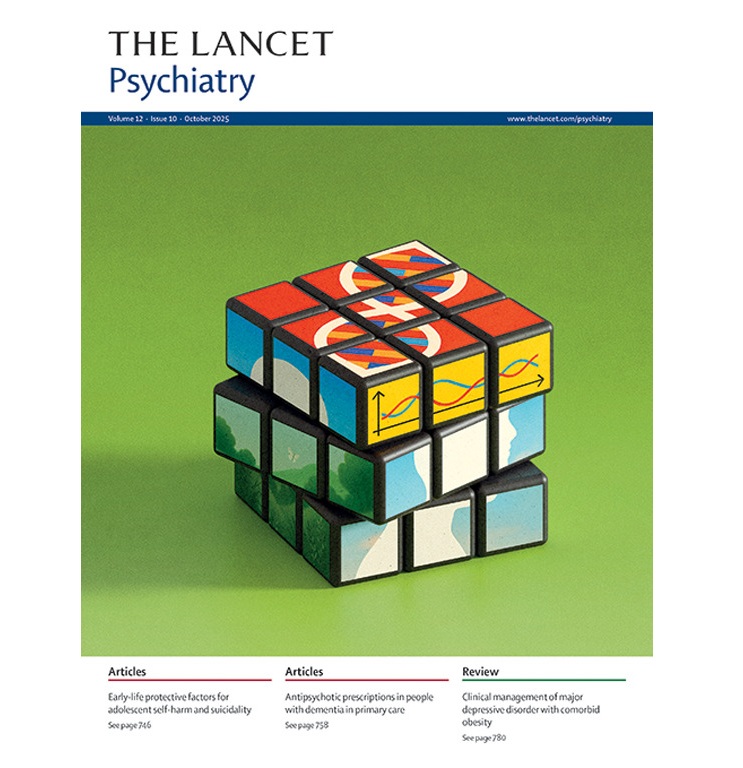
An article published in The Lancet Psychiatry presents an overview of modern approaches to the treatment of depression in individuals with obesity.
Obesity is one of the most widespread problems of our time. It is also highly prevalent among people with depression and significantly affects the course and treatment outcomes of the disorder. The relationship between depression and obesity is bidirectional: individuals with depression are at increased risk of weight gain, while those with obesity are more likely to develop depression. This association is explained by shared biological and psychosocial factors such as neuroinflammation, hormonal disturbances, alterations in the hypothalamic–pituitary–adrenal axis, and others. Stress influences appetite and eating patterns, while excess weight often leads to stigmatization and social isolation.
It is important to note that obesity is comorbid not only with depression but also with other mental disorders. Despite this, there are still no sufficiently developed and well-defined algorithms for managing such conditions. Major risk factors that exacerbate the condition include low socioeconomic status, childhood trauma, chronic stress and burnout, and smoking—all of which also contribute to the rise in cardiovascular complications.
The first step in diagnosis involves ruling out conditions in which both depression and obesity are secondary to an underlying disorder—such as hypothyroidism, Cushing’s syndrome, polycystic ovary syndrome, or sleep apnea. The key diagnostic indicator is the body mass index (BMI). If the BMI is below 40, it is more accurate to assess abdominal obesity by measuring waist circumference and the waist-to-hip ratio. In addition to standard tools for assessing depression, mandatory evaluation of eating behavior and physical activity is recommended.
Once both diagnoses are confirmed, screening for metabolic syndrome is advised, including weight monitoring and regular assessment of lipid and glucose metabolism and blood pressure. Alongside depression treatment, lifestyle modification should be initiated. For patients with a BMI over 27, pharmacological weight reduction may be considered. Even in mild cases, treatment should ideally involve a multidisciplinary team including a dietitian, cardiologist, and endocrinologist.
When it comes to pharmacological treatment, careful consideration must be given to the choice of antidepressant, as their metabolic profiles differ significantly. Selective serotonin reuptake inhibitors (SSRIs) are generally preferred, although their effectiveness may sometimes be limited, possibly due to neuroinflammatory mechanisms. It should also be noted that some SSRIs can lead to weight gain—paroxetine being the least desirable in this regard. In some cases, adding bupropion or using venlafaxine may yield favorable results. Medications that frequently cause weight gain, such as mirtazapine, should be avoided. During the early weeks of treatment, active metabolic monitoring is recommended to assess the impact of prescribed medications. As augmentation therapy, lithium or antipsychotics may be considered, but one should be aware that these too may promote weight gain—especially olanzapine and quetiapine.
Cognitive-behavioral therapy (CBT) can reduce the severity of depressive symptoms but does not significantly affect body weight. Behavioral activation is particularly helpful in cases of emotional overeating. Certain approaches focus on improving emotional self-regulation skills or enhancing motivation and goal-setting. Overall, although the volume of evidence on psychotherapy efficacy remains limited, the emerging trend suggests that empathic, accepting, and motivational approaches with individualized goal-setting may be the most effective.
Pharmacological options for weight reduction include the combination of naltrexone and bupropion, topiramate, phentermine, orlistat, semaglutide, liraglutide, and tirzepatide. Some studies note a relative improvement in mental state with their use, but there is still insufficient convincing evidence regarding their positive or negative effects on mood.
The main directions in lifestyle modification include nutrition, sleep, and physical activity. Under a dietitian’s supervision, a balanced diet with a daily caloric deficit of about 500 kcal is recommended. The Mediterranean diet has been shown to improve both mood and metabolic markers, even without caloric restriction. Intermittent fasting can help reduce weight, although its positive impact on mood has not been established. It is essential to understand that only fundamental lifestyle changes—not short-term diets—lead to stable results. Regulation of sleep patterns also plays a key role, with cognitive-behavioral therapy for insomnia (CBT-I) being the most effective approach.
Physical activity is equally beneficial for reducing symptoms of both depression and obesity. The optimal target is approximately 35 minutes of brisk walking or aerobic exercise per day, at least five days a week. Consistency in training, rather than intensity, has the greatest positive effect on body weight. In some cases, cooperation between a trainer and a psychologist is necessary to help patients with low motivation start with small, achievable steps.
In conclusion, although the evidence base for the integrated management of depression and obesity is still limited, it is rapidly expanding. At present, the optimal strategy involves interdisciplinary, integrative care—early metabolic screening, individualized psychotherapeutic work, and carefully considered pharmacological treatment.
Source:
Nils Opel, Ruth Hanssen, Lavinia A. Steinmann et al. Clinical management of major depressive disorder with comorbid obesity. The Lancet Psychiatry, Volume 12, Issue 10, pp. 780–794, October 2025.